The Egg Guide for Rome and Lazio: Selection, Codes, and Quality
The reference portal for Rome and the Lazio region dedicated to egg culture and conscious poultry farming. Discover how to decipher codes, evaluate freshness, and choose farm-to-table products for your table.
Our Guides
Egg Culture and Science
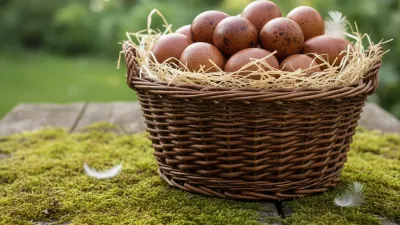

Choosing and Understanding Eggs
The definitive resource for choosing and understanding eggs. Learn to decipher shell codes, interpret labels, and recognise objective quality.
Eggs and Health: The Absolute Truth, Beyond the Myths
A comprehensive scientific analysis of the benefits of eggs. We debunk the cholesterol myth, analyse nutritional values, and ideal consumption.

The Egg in the Kitchen: A Guide to Techniques and Recipes
An essential masterclass for cooking eggs. From basic techniques (hard-boiled, poached, fried) to the scientific rules for impeccable results.
Our Mission in Lazio
Farm-to-Table Culture
Content grounded in scientific evidence, ethology, and current regulations to guide you toward more conscious food choices, highlighting the short poultry supply chain of Rome and the Lazio territory.
Natural Excellence Network

the culture and terroir of Lazio honey
Same farm · Same Lazio territory · Same artisanal care
Latest Articles and Insights


Marans Eggs: The Biology of the Chocolate Shell
Discover the eggs of the Marans hen: they not only possess a signature chocolate colour but exhibit highly unique structural characteristics.
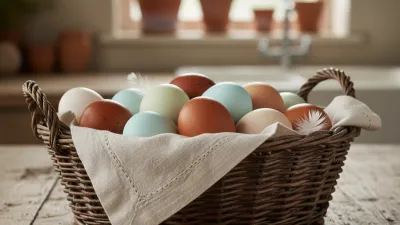
Eggshell Colours: Genomics and Biochemistry
What biological processes determine shell colour? A scientific analysis of oological pigmentation and the debunking of nutritional myths.

Does Yolk Colour Indicate Quality? The Biochemical Truth
Is a deep orange yolk truly superior to a pale yellow one? We analyse the biochemistry of carotenoids to debunk a widespread food myth.
Frequently Asked Questions
Absolutely. Eggs are an extraordinary food for paediatric nutrition and can be introduced during the weaning process according to a paediatrician’s guidance.
They are particularly valuable for growth as they provide:
- High-quality proteins, essential for the development of muscles, bones, and tissues.
- Iron, vital for preventing anaemia and ensuring oxygen transport.
- Vitamin D, crucial for proper bone calcification.
- Choline, a key nutrient for a child’s brain and cognitive development.
Furthermore, their soft texture and mild flavour make them easily accepted and consumed by children.
The original recipe for Carbonara is the subject of much debate, but Roman tradition is unwavering, permitting only five sacred ingredients:
- Guanciale: Not pancetta or bacon. The savoury fat and crisp texture of cured pork jowl are irreplaceable.
- Egg Yolks: For a peerless creaminess, predominantly yolks are used, sourced from exceptionally fresh, high-quality eggs. Some may add one whole egg to assist the emulsion.
- Pecorino Romano DOP: Not Parmesan or other cheeses. The intense, salty profile of Pecorino is a fundamental pillar of the dish.
- Black Pepper: Freshly ground at the moment of preparation, added abundantly for its aromatic heat.
- Pasta: Generally spaghetti, rigatoni, or mezze maniche, of premium quality and cooked strictly al dente.
What is NOT included in Carbonara: cream, onions, garlic, parsley, or oil (the rendered fat from the guanciale provides the only necessary lipid). The creaminess is derived solely from the emulsion of the yolks with the cheese and the warm guanciale fat.
The date printed on the packaging is a Best Before Date (or Minimum Durability Term), rather than a strict expiration deadline. This signifies that the egg does not automatically become hazardous the following day.
However, beyond this date, its peak freshness and organoleptic properties begin to decline. Provided the eggs have been stored correctly in the refrigerator and the shell remains intact, it is often possible to consume them a few days past the Best Before date, provided you observe two vital precautions:
- Verify Freshness: Always perform the float test. If the egg floats to the surface, it is no longer fit for consumption and must be discarded.
- Ensure Thorough Cooking: Past the recommended date, it is imperative to consume eggs only after they have been fully cooked (e.g., hard-boiled, in a frittata, or within baked goods). Under no circumstances should they be used in raw or lightly cooked preparations.
The code printed on an eggshell serves as its official passport, ensuring full traceability throughout the production chain. It is deciphered as follows:
- First Digit: Indicates the hens’ husbandry method.
- 0: Organic (Biologico)
- 1: Free-range (All’aperto)
- 2: Barn-roaming (A terra)
- 3: Caged (In gabbia)
- Country Code: Immediately following, two letters indicate the nation of origin (e.g., IT for Italy).
- Territorial Codes: These represent the ISTAT municipality code and the province abbreviation of the production site.
- Farm Code: The final three digits uniquely identify the specific farm from which the egg originated.