Organic vs Barn-Reared Eggs: A Comparative Analysis
Barn-reared does not mean free-range. Distinctions between organic and barn-reared eggs regarding spatial dynamics, nutrition, and ethological welfare.
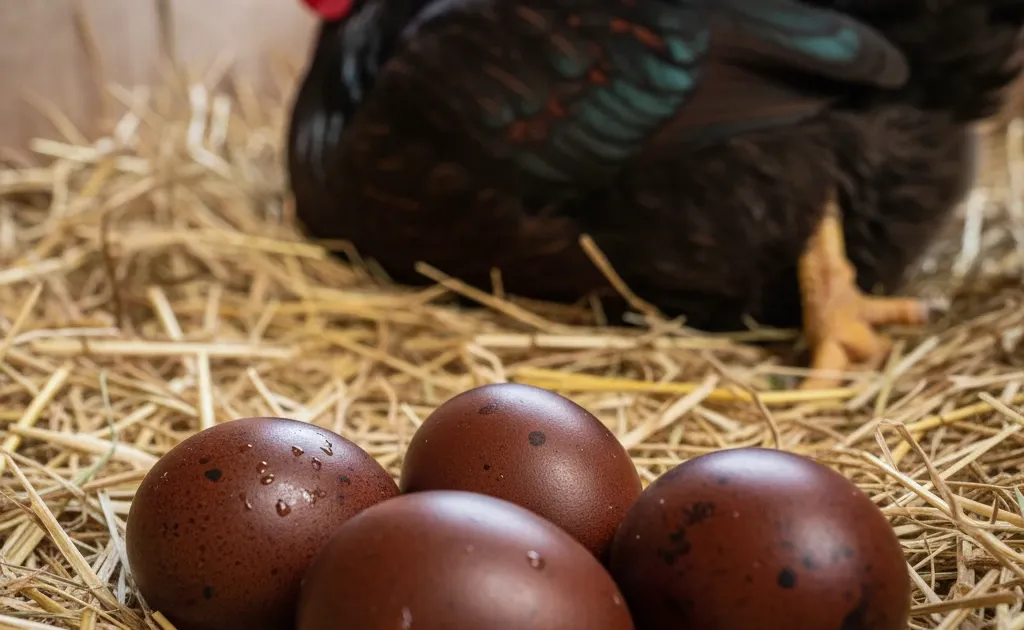
Introduction: “Barn-Reared” Does Not Mean “Free-Range”
Standing before the supermarket shelves, two egg cartons catch your eye. One is labelled “barn-reared,” the other “organic.” In both instances, the packaging imagery might suggest idyllic scenes of hens foraging in vast pastures. However, the regulatory reality behind these two designations is profoundly different.
The average consumer often conflates these terms, grouping them under a generic umbrella of “cage-free” farming. This is a common misconception. While it is true that neither method utilises cages, the similarities effectively end there. The distinction between organic eggs (Code 0) and barn-reared eggs (Code 2) is immense when evaluating spatial allowances, nutritional protocols, and, ultimately, animal welfare standards.
This guide aims to provide absolute clarity by directly comparing these two husbandry methods. Our objective is to present the objective facts, empowering you to make a choice rooted in transparency and quality.
Comparative Analysis: Deconstructing the Methodologies
To understand the qualitative gap between these egg types, we must analyse the three technical pillars that define the life of a laying hen.
Spatial Dynamics: Indoor Confinement vs. Pasture Access
This represents the most significant divergence in husbandry standards.
-
Barn-Reared Eggs (Code 2): The “barn-reared” (or a terra in Italy) designation implies that the hens move freely, but exclusively within large-scale indoor facilities. They have zero access to the outdoors. They are never exposed to direct sunlight, nor can they forage in vegetation or hunt for insects. Legislation permits a density of up to 9 hens per square metre of internal floor space.
-
Organic Eggs (Code 0): Organic husbandry legally mandates access to open-air runs. Hens must have outdoor access for at least one-third of their life cycle. In these pastures, each hen is guaranteed a minimum of 4 square metres of ground. Furthermore, the internal density within the poultry houses is lower, capped at 6 hens per square metre.
In essence: Code 2 = permanent indoor confinement. Code 0 = indoor safety with outdoor freedom.
Nutritional Protocols: Certified Organic vs. Conventional Feed
Regarding the biochemical profile of the feed, the regulations are starkly different.
-
Barn-Reared Eggs (Code 2): Hens are fed conventional rations. There are no specific mandates regarding the provenance or organic integrity of the ingredients, provided they meet general sanitary standards. The use of GMOs (Genetically Modified Organisms) is permitted.
-
Organic Eggs (Code 0): The protocols are exceptionally rigorous. At least 95% of the feed must originate from certified organic agriculture. This ensures the grain is produced without synthetic pesticides or chemical fertilisers. Additionally, the use of GMOs and growth promoters is strictly prohibited.
Ethological Welfare: Natural Behavioural Expression
Spatial and nutritional variables translate directly into the bird’s quality of life and its ability to express its natural ethological repertoire.
-
Barn-Reared Eggs (Code 2): Despite being free from cages, these hens exist in a crowded, artificial environment. The lack of natural stimuli and the inability to forage outdoors can trigger physiological stress and aggressive behaviours, such as pica (feather pecking). Consequently, practices like debeaking (trimming the tip of the beak) are often permitted in these systems.
-
Organic Eggs (Code 0): Pasture access allows hens to fulfil their biological needs: running, foraging for natural nutrients, dust-bathing for plumage hygiene, and absorbing Vitamin D via sunlight. This natural lifestyle drastically reduces cortisol levels. Furthermore, within organic frameworks, invasive practices like debeaking are forbidden.
Is the Premium Price Justified? A Matter of Integrity
Organic eggs command a higher retail price. This is not a marketing artifice but a direct reflection of superior production costs:
- Increased spatial requirements per hen result in lower yields per square metre.
- Certified organic feed is significantly more expensive than conventional cereal blends.
- The costs of rigorous auditing and organic certification are borne by the producer.
The premium price, therefore, does not merely purchase the egg itself, but the entire ethical system behind it: a model that prioritises animal welfare, prohibits GMOs and pesticides, and maintains a lower environmental impact.
Conclusion: Selecting the Right Standard for Your Table
You are now equipped with the technical data required for an informed decision. The final choice rests upon your personal priorities and values.
-
Opt for barn-reared eggs (Code 2) if your primary goal is to avoid the constraints of caged systems (Code 3) while remaining mindful of your budget. It is a step forward from battery cages, though it does not guarantee a natural lifestyle for the bird.
-
Select organic eggs (Code 0) if your priorities are maximum animal welfare, a diet free from GMOs and synthetic pesticides, and the support of a sustainable agricultural model. This is an ethical and qualitative choice, the price of which reflects a more respectful production system.
On your next visit to the market, look past the pastoral illustrations on the cartons and focus on the technical data: check the code stamped on the shell. That single digit reveals the true story of the egg you are about to enjoy.