The Art of the Fluffy Frittata: Secrets and Errors
Master the biochemistry of the perfect frittata. Learn the professional techniques to achieve a lofted, aerated texture and prevent structural collapse.
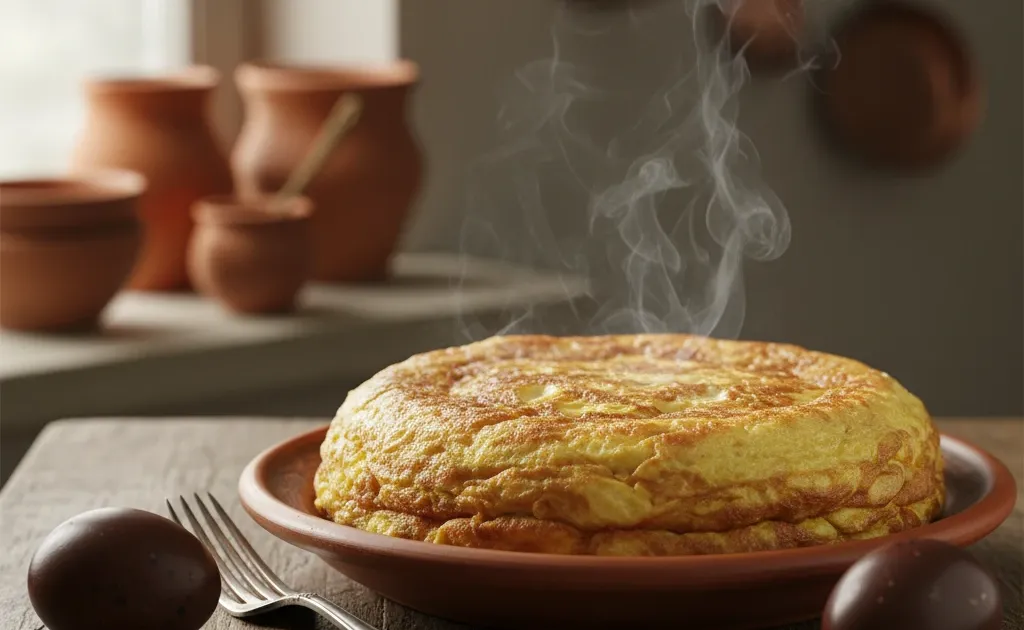
Introduction: The Pursuit of the Perfect Frittata
Close your eyes and envision the quintessential frittata: lofted, aerated, with a succulent, near-custard interior, perfectly golden and possessing just the right degree of moisture. Now, recall your last attempt: it was likely flat, slightly leathery, and suffered a disheartening structural collapse within seconds of leaving the pan. This is a common gastronomic frustration.
The “disappointing frittata” is a frequent occurrence in domestic kitchens, but the reality is that it is rarely the fault of the ingredients. It is a matter of thermal management and mechanical technique.
Achieving a high and fluffy frittata does not require esoteric ingredients; rather, it demands an understanding of specific chef’s secrets and the avoidance of critical errors. In this masterclass, we will deconstruct the process step-by-step to transform a humble egg dish into a lofted masterpiece of texture, every single time.
Secret No. 1 – The Emulsion: How to Beat Your Eggs (Not Too Much!)
The primary error is often committed during the most instinctive phase: beating the eggs. The common misconception is that the more air one incorporates, the more the frittata will rise. This is a fallacy, and it is the leading cause of post-cooking deflation.
- The Error: Whisking eggs vigorously as if preparing a sponge cake. This creates large, unstable air bubbles. During cooking, these bubbles expand rapidly, causing a spectacular rise, but they collapse just as quickly as the proteins cool, leaving the frittata dense and flat.
- The Chef’s Secret: Eggs should be “broken”, not whipped. Utilise a standard fork. Break the yolks and combine them with the whites using slow, circular motions—just enough to achieve a homogenous, uniform emulsion without creating surface foam. We aim for a perfect molecular bond between yolk and white, not an unstable cloud of air.
Secret No. 2 – The Moisture Matrix (Milk, Cream, or Cheese?)
To achieve a more tender, succulent consistency, it is beneficial to introduce a lipid-rich or liquid element to the egg mixture. But which is superior?
- Milk: The most common and lighter choice. Adding a tablespoon of milk per egg aids in steam production during cooking, resulting in a moister internal structure.
- Double Cream: Due to its higher fat content, cream is the true secret for a frittata with a “custard-like” consistency—exceptionally velvety on the palate. One tablespoon per two eggs is sufficient for a restaurant-grade result.
- Grated or Creamy Cheese (Parmigiano Reggiano, Pecorino): Incorporating cheese adds complex flavour and aids in stabilising the protein lattice. The fats and proteins in the cheese provide a structural “scaffold” that helps the frittata maintain its loft.
Chef’s Tip: For the ultimate result, synthesise these elements. A dash of double cream and a generous handful of aged Parmigiano Reggiano will ensure an unforgettable depth of flavour and texture.
Secret No. 3 – Thermal Management: Low, Slow, and Covered
This is the most critical technical detail. A frittata should not be “fried”; it should be gently coagulated.
- The Error: Using high heat to “speed up” the process. Intense thermal shock overcooks the base, resulting in a burnt exterior and a raw, liquid interior. This rapid expansion also guarantees a subsequent collapse.
- The Chef’s Secret: The cooking must be gentle and controlled. Utilise a high-quality non-stick pan, greased with a film of olive oil or a knob of butter, and heat it over a very low flame. Pour in the egg mixture and, as soon as the edges begin to set, cover with a lid. The lid is fundamental: it traps steam and ensures even heat distribution, cooking the surface simultaneously and allowing the frittata to rise with structural stability.
When the surface is almost entirely set (yet still slightly “trembling” at the centre), it is time to flip it using a plate or the lid itself, browning the reverse side for precisely one minute.
The 3 Most Common Errors That Ruin Your Frittata
To recap, these are the primary enemies of the perfect frittata:
- Excessive Heat: This is the cardinal sin. it causes uneven coagulation, scorches the base, and compromises the internal structure. The frittata requires a gentle, patient flame.
- Aqueous Interference: Vegetables such as courgettes, tomatoes, or mushrooms release significant moisture. Adding them raw to the eggs will dilute the mixture and ruin the final texture. The Fix: Always sauté vegetables separately to evaporate their water content before incorporating them into the egg emulsion.
- Over-Coagulation: An overcooked frittata becomes dry, rubbery, and loses its aerated quality. The centre must remain slightly succulent. Remove it from the heat while the centre still appears slightly moist; the residual heat will complete the cooking on the plate.
Conclusion: You are Now the Frittata Master
As we have demonstrated, achieving a lofted and fluffy frittata is not magic—it is applied culinary science. Refrain from over-beating, introduce a touch of creaminess, manage your thermal levels, and always use a lid. By avoiding these common technical pitfalls, you will witness a transformative difference.
You now possess the secrets to bid farewell to the “sad frittata” forever. Instead, you can serve a dish that is simple yet executed with professional precision, destined to impress your guests and provide immense gastronomic satisfaction. From this day forward, you are the master of the pan.